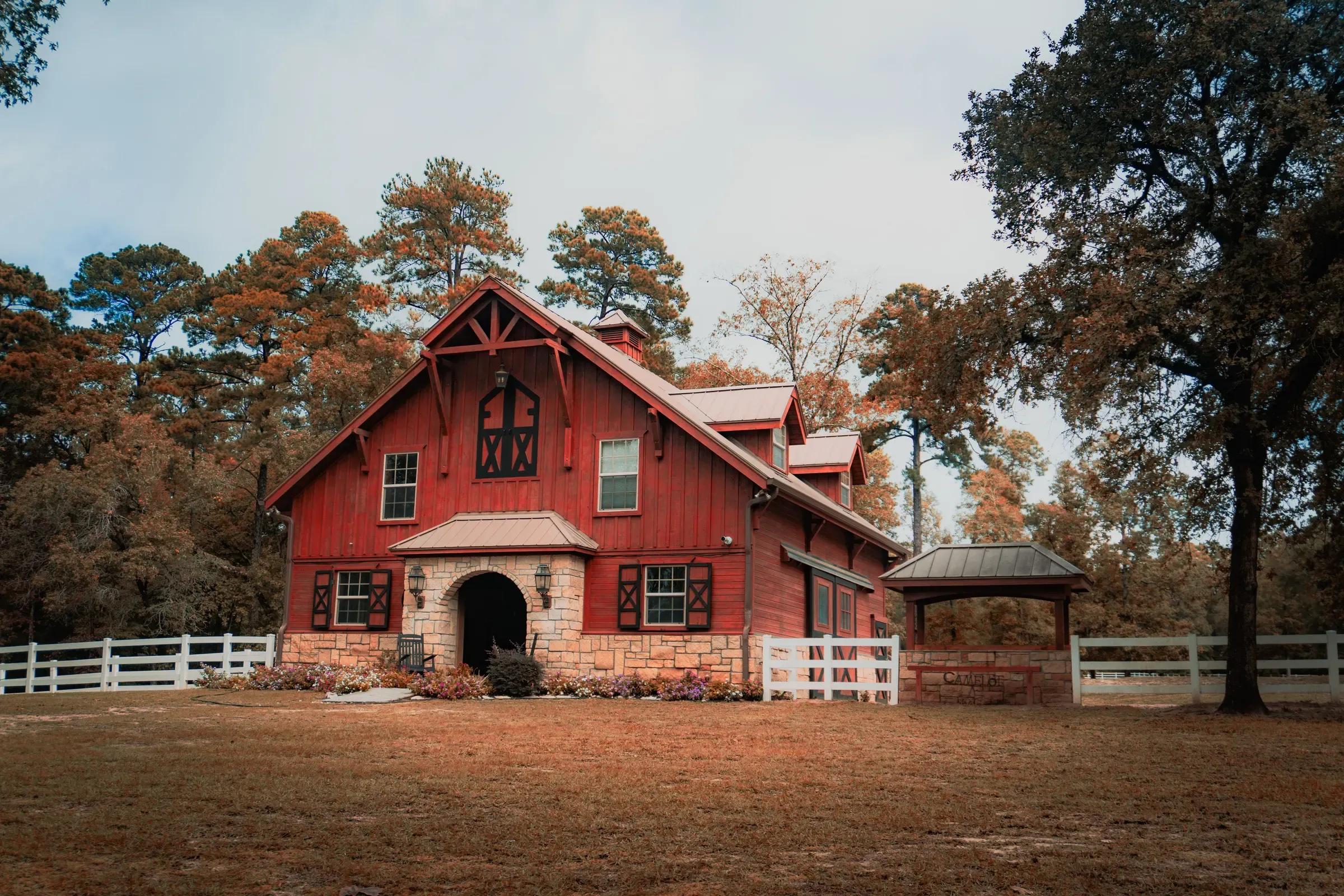
Horse Barn and Riding Arena Builders in the Texas Hill Country
Equestrian building is a Hill Country specialty, especially around Bandera, the Cowboy Capital of Texas. From a simple run-in shed to a full stable with a tack room and wash rack, or a covered arena to ride out of the sun and rain, the right barn depends on your horses and your land. An independent local builder who builds for horse properties prices the job.
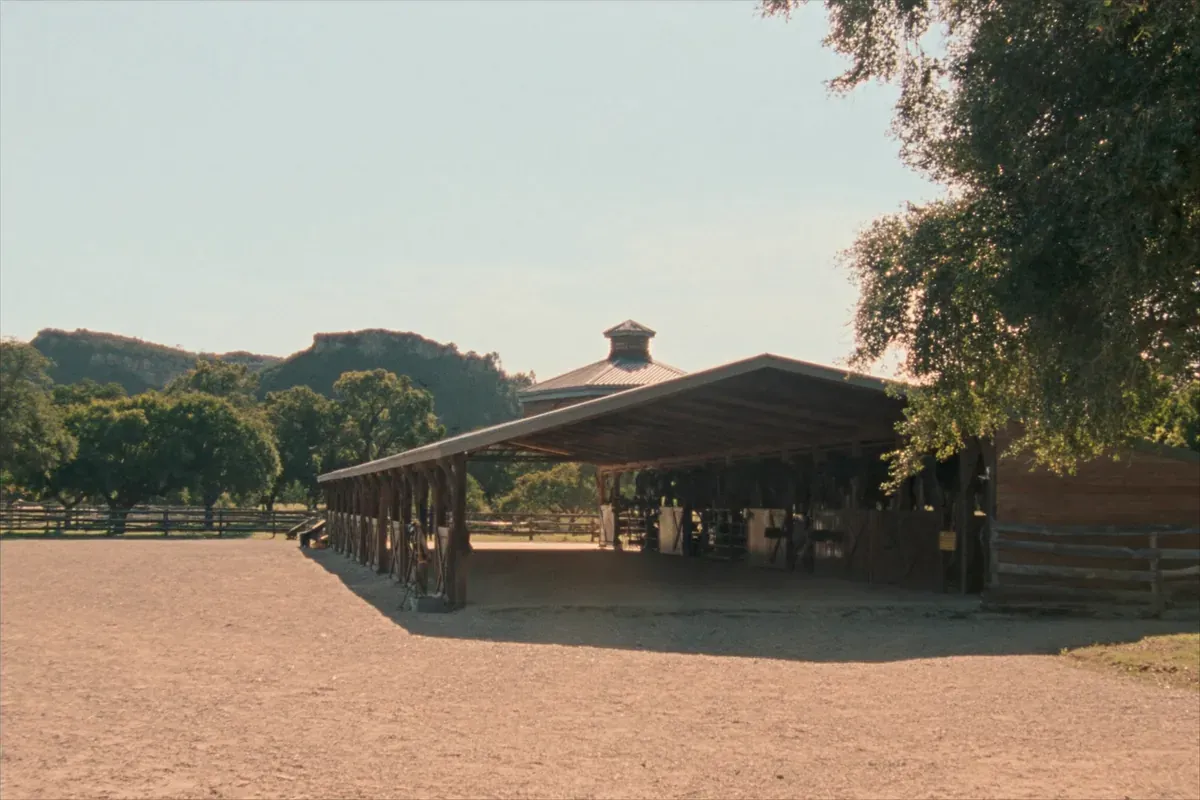
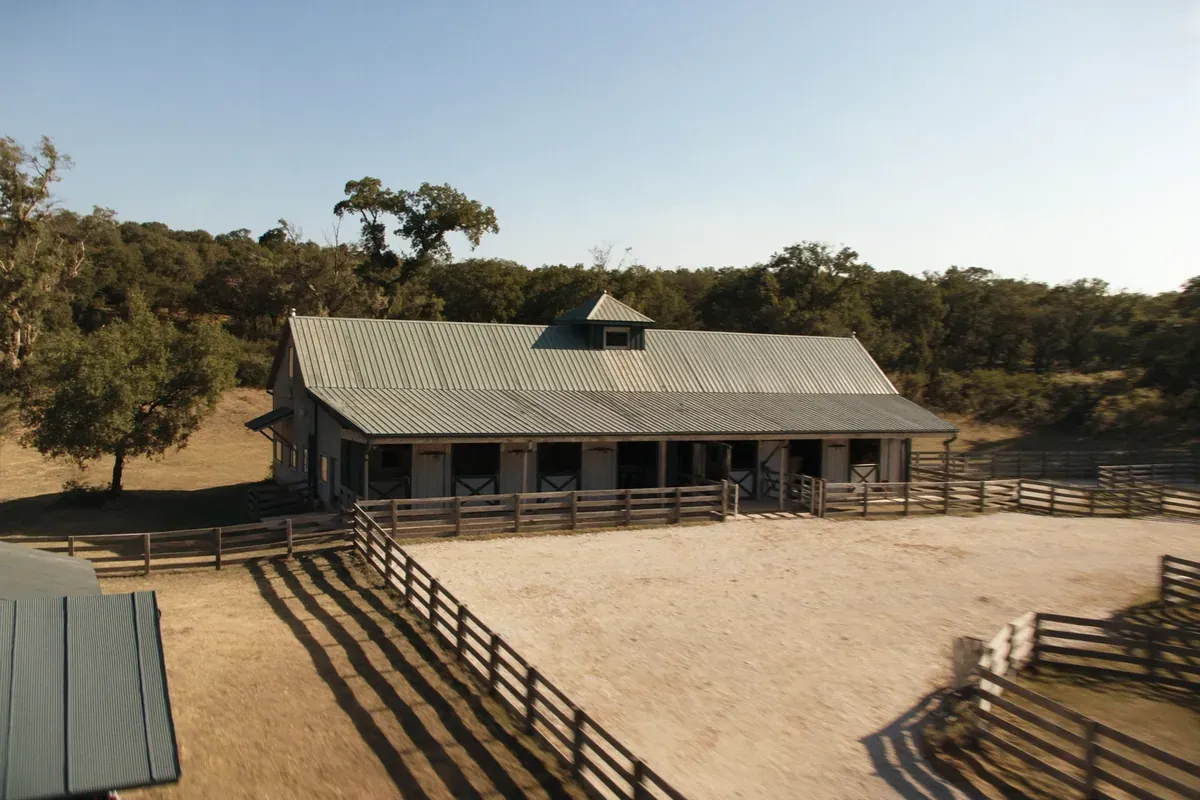
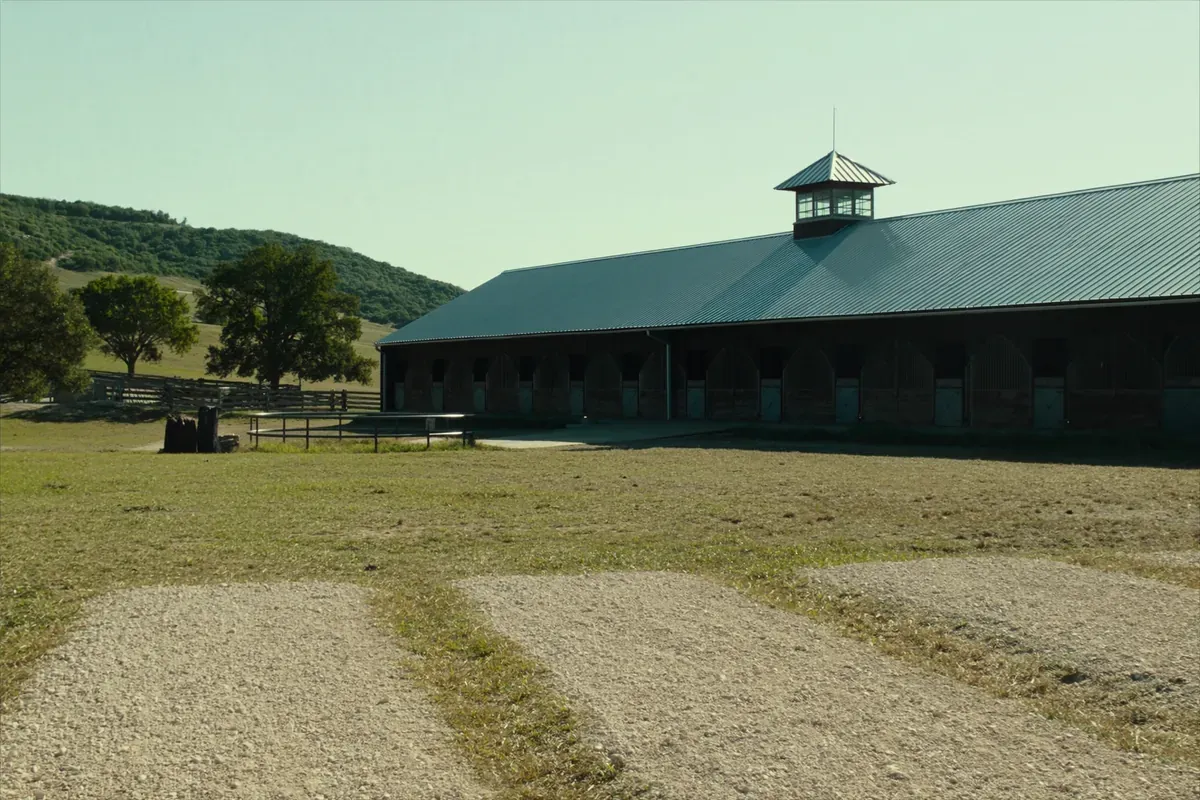
Horse Barns & Riding Arenas examples
Quote requests for this building type go to one independent builder that puts up steel, post-frame and barndominium projects across the Texas Hill Country and the San Antonio and Austin areas. Who does what.
What it is
Horse barns are usually post-frame or steel, designed around the animals: stalls, aisles, ventilation, tack and feed rooms, wash racks, and safe footing. A covered arena is a large clear-span roof, sometimes fully enclosed, that lets you work horses in any weather. Many owners combine a barn with living quarters, which makes it a barndominium for permitting purposes.
Who it suits
Horse barns suit owners boarding or keeping horses on acreage, trainers and lesson operations, and ranchettes that want shelter and working facilities. A covered arena suits anyone who rides year round or runs a program that cannot stop for weather. Combined barn-and-living-quarters suits owners who want to be close to the animals.
Typical Hill Country use cases
- A center-aisle stable with stalls, tack room, feed room, and wash rack
- A covered or enclosed riding arena for year-round work
- Run-in sheds and loafing sheds for pasture shelter
- A barn with attached living quarters near Bandera or on any horse property
What it costs (honestly)
As a general, third-party reference, horse barns range widely with the number of stalls, the finish, and the extras like rubber pavers, a wash rack, or a hay loft. A covered arena is priced mostly by its clear span and roof. Footing, water, and electric add up. Our cost guide covers the ranges and what drives them. The builder prices your facility.
Read the full Hill Country cost guide Hill Country considerations
- Ventilation and shade matter in the Texas heat, so stall and aisle airflow is a real design item, not an afterthought.
- A wash rack or living quarters adds plumbing, which triggers the septic permit; a plain barn often does not.
- A large covered arena is a wide, tall, wind-catching structure, so it must be engineered for the site, especially on exposed ground.
- Water for horses plus a household can stress a Hill Country well, so plan water capacity early.
Related building types
What it costs, and what happens after you send it
- How much does a barndominium cost?
- A finished barndominium in the Hill Country runs $150 to $350 per finished square foot in published planning ranges, plus roughly $43,000 to $156,000 of Hill Country site work that most calculators leave out: aerobic septic, a well, limestone work, engineered plans and published electric fees. Those are third-party figures verified as of July 27, 2026, not our prices and not a quote. The cost calculator shows the publisher and date behind every band and lets you run your own square footage.
- How fast will someone get back to me?
- Your request goes to one independent builder, usually within about an hour during the day. The builder then contacts you to arrange a site visit and price the work on their own schedule.
- What building types are covered?
- Barndominiums, horse barns, workshops, equipment and hay barns, garages, covered arenas, commercial metal buildings and the concrete slabs under them. See every building type.
Only the builder who walks your site can price your actual project.
Get a free quote for your horse barns & riding arenas project
Tell us about your project. Your details go to one independent builder, who can schedule a free consultation or quote. No cost, no obligation.
Thank you. Your request is in.
The builder will reach out about your project. You can also call (830) 272-7461.
Horse Barns & Riding Arenas questions
Do I need a permit to build a horse barn in the Hill Country?
A plain horse barn with no plumbing usually needs no county building permit in the unincorporated county, because most Hill Country counties do not inspect general building there. Add a wash rack, bathroom, or living quarters and the septic permit applies. Inside a city, building permits apply. Bandera County is covered on its permitting page.
How big does a covered arena need to be?
It depends on your discipline. Many riders want a clear width that allows a comfortable riding lane around the working area, and length to match. A builder who does arenas can match the clear span and height to how you ride, and engineer the roof for Hill Country wind.
Who builds horse barns?
An independent local builder who builds the barn or arena and provides the quote.
Updated